
What is Women's Mental Health?
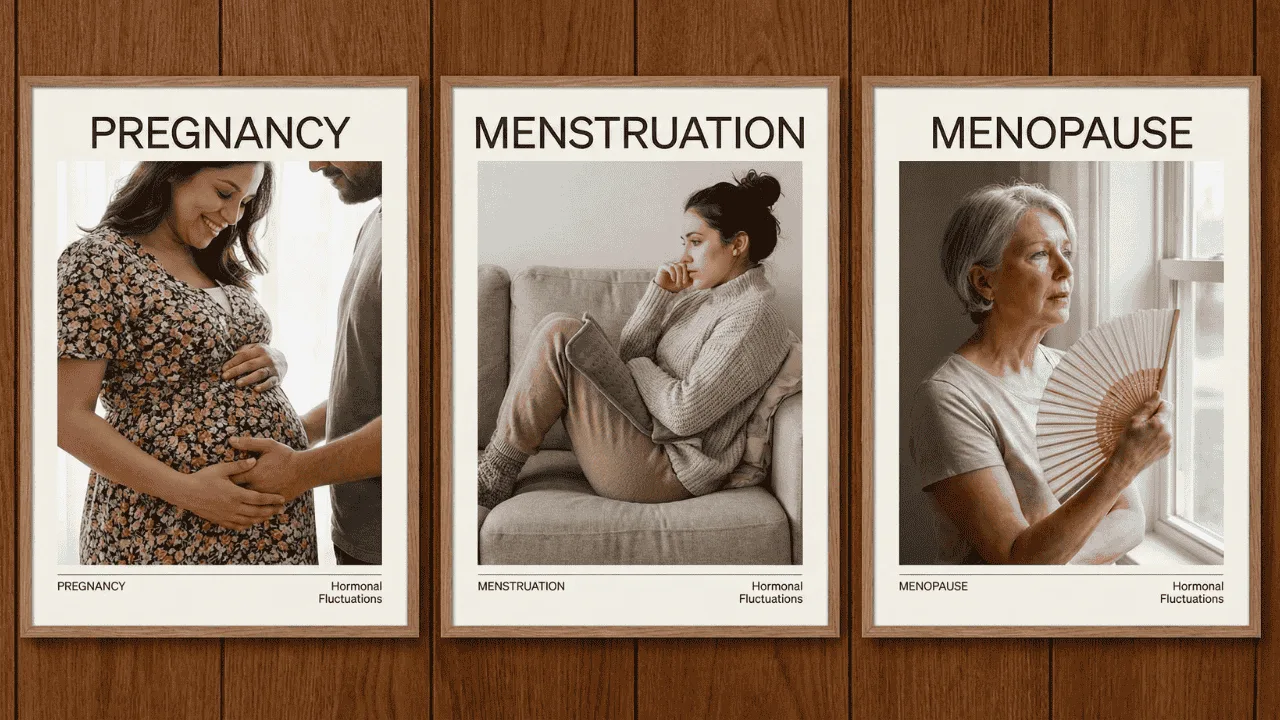
Women's mental health refers to the emotional, psychological, and social well-being of women across their lives, shaped by hormonal fluctuations, life experiences, and social pressures. Women are more likely than men to experience certain disorders because of unique biological, hormonal, and cultural influences. Hormonal shifts during menstruation, pregnancy, and menopause can significantly affect mood, contributing to conditions like postpartum depression or premenstrual dysphoric disorder (PMDD). Mental health is as important as physical health, and addressing it is essential to overall well-being.
Common Psychological Disorders in Women
Anxiety is one of the most common issues in women, who are roughly twice as likely as men to develop generalized anxiety disorder, panic disorder, and social anxiety, with symptoms like constant worry, racing thoughts, and a rapid heartbeat. Depression is also prevalent, especially during pregnancy, the postpartum period, and menopause, and often responds to cognitive behavioral therapy (CBT), medication, and supportive counseling. Eating disorders such as anorexia, bulimia, and binge-eating are more common in women and are frequently tied to body image and emotional distress.
Women are also more likely to develop post-traumatic stress disorder (PTSD) after trauma such as abuse or violence, with symptoms including flashbacks, nightmares, and hypervigilance; trauma-focused therapies like EMDR and CBT are effective. Finally, hormone-linked mood disorders such as PMDD and postpartum depression can cause extreme mood swings and sadness tied to shifting estrogen and progesterone, often best managed by combining hormonal treatment with mental health counseling.
Signs of a Mental Breakdown in Women
A mental breakdown occurs when emotional and psychological stress overwhelms a woman's ability to cope. Warning signs include extreme emotional distress and mood swings; physical symptoms like fatigue, insomnia, headaches, or stomach problems; and withdrawal from social activities and once-enjoyed hobbies. Other signs are difficulty focusing or making decisions, heightened anxiety or panic attacks, and loss of control over daily functions such as personal hygiene and routines. Frequent thoughts of self-harm or suicide are the most severe signs and require urgent professional intervention.
Mental Health and Hormonal Changes in Women
Hormones strongly influence women's mental health, and fluctuations can trigger or worsen disorders. In the days before menstruation, changing estrogen and progesterone can cause irritability and mood swings, which for some escalate into PMDD. Pregnancy and the postpartum period bring major hormonal shifts; postpartum depression affects roughly 1 in 7 women and, less commonly, postpartum anxiety or psychosis. Perimenopause and menopause bring declining hormones that can cause mood swings, anxiety, depression, and brain fog. Imbalances involving cortisol, thyroid hormones, or PCOS can also drive depression, anxiety, and fatigue.
Tips for Managing and Improving Women's Mental Health
Managing mental health well combines self-care, professional support, and healthy lifestyle choices. Practice stress-management techniques such as mindfulness and meditation, deep breathing exercises, and yoga to lower cortisol and calm the mind. Seek professional support when needed, including therapy and counseling like CBT, psychiatric care and medication for more severe conditions, and hormonal support such as HRT when imbalances contribute to symptoms.
Prioritize physical health with regular exercise, a balanced diet rich in whole foods and omega-3s, and good sleep hygiene, since all three support mood and emotional regulation. Build a strong support network through social connection and support groups to reduce isolation. Finally, practice self-care by setting boundaries, engaging in enjoyable hobbies, and making time to rest and recharge.
Women's Mental Health Statistics
Women are about twice as likely as men to experience depression and anxiety, and roughly one in five will face a mental health disorder in their lifetime. Depression is the leading cause of disability for women worldwide. Around 1 in 7 women experience postpartum depression, and an estimated 40 to 60 percent report mental health symptoms during perimenopause and menopause. Women attempt suicide more often than men, underscoring the importance of early intervention. Socioeconomic factors, discrimination, and trauma further raise risk for many women.
When to Seek Professional Help
Seek professional help when symptoms of anxiety, depression, or mood swings persist for weeks or months, or when they interfere with your ability to function at work, at home, or in relationships. Growing emotional distress, physical symptoms like chronic fatigue and sleep problems, and difficulty managing everyday stress are all signals to reach out. If self-help strategies such as exercise, mindfulness, or journaling aren't enough, a trained professional can offer therapy, medication, or hormonal treatment. Any thoughts of self-harm or suicide warrant immediate help.
Conclusion
Women's mental health is central to overall well-being, and the challenges women face, from stress and anxiety to depression and hormonal imbalances, deserve real attention. Recognizing distress early, seeking professional support, and building habits around stress management, self-care, and therapy can meaningfully improve mental well-being. If you're struggling, you don't have to face it alone, and taking the first step toward professional support is a step toward reclaiming your health.
Have questions about women’s health?
Talk directly with Dr. Ali — no copays, no waiting rooms, just physician-led care built around you.