
Joint Pain Care
Joint Pain Treatment
Physician-led joint pain care for adults across Illinois, focused on diagnosing the real cause and protecting how you move for years to come.
Joint pain has a way of shrinking your world before you fully notice. The knee that complains on the stairs. The hip that aches after a walk. The fingers that feel stiff every morning. Bit by bit, you stop doing the things that used to be easy.
When people finally bring it up, they are often met with a shrug. "It's just getting older." "Take some ibuprofen." "Let's see how it goes." They leave with no real answer, no plan, and a quiet sense that this is simply how things are now.
- Same-Day & Next-Day Visits
- No Copays, No Insurance Hassle
- Triple Board-Certified Physician
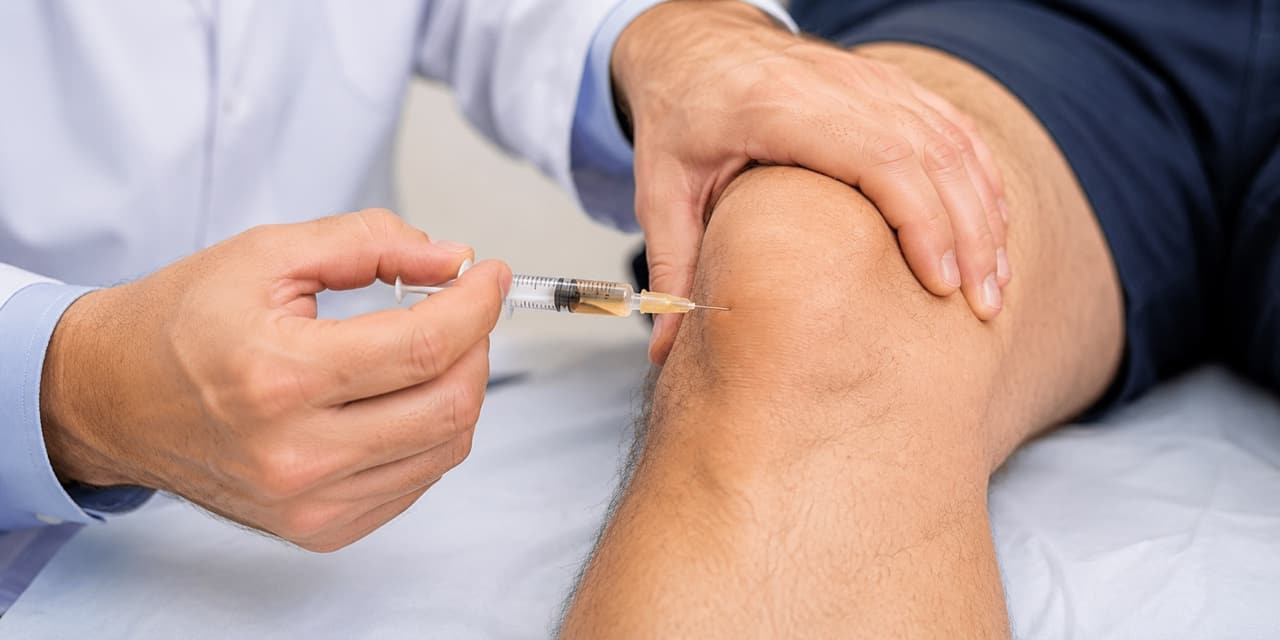
It is not. Joint pain always has a cause, and the cause matters enormously, because some kinds are harmless wear while others quietly damage the joint when they go untreated. At Sina Medical Direct Primary Care, under the care of Dr. Ali, joint pain is taken seriously and worked up properly, so you know what you are dealing with and what to do about it.
You are not being dramatic for wanting to move without pain. That is a reasonable thing to expect from your body.

Why Joint Pain So Often Goes Unresolved
The biggest problem with how joint pain gets handled is that it rarely gets diagnosed. It gets labeled.
In a short visit, "arthritis" or "aging" becomes the explanation for almost any ache, and the treatment becomes a painkiller. That approach skips the one question that changes everything: what type of joint pain is this?
The answer matters more than most people realize. Some joint pain is mechanical wear, the gradual thinning of the cartilage that cushions your joints which could be from low estrogen levels during perimenopause and menopause. Other joint pain is inflammatory, driven by the immune system or by gout, and that kind can permanently damage a joint when it is not caught early. The two can look alike, yet they call for completely different care.
When no one stops to tell them apart, two things go wrong. People with ordinary wear get pills instead of the activity, strengthening, and weight strategies that genuinely help. And people with inflammatory arthritis lose precious time, the exact window when treatment does the most good.
Getting joint pain right begins with finding out what it truly is.
What Is Actually Causing Your Joint Pain
Your joints are where two bones meet, cushioned by cartilage and supported by muscles, tendons, and ligaments. Pain can come from any of those parts, and the source shapes the solution.
Most joint pain falls into one of two groups.
Mechanical or wear-related pain includes osteoarthritis, the most common form, along with old injuries, overuse, and inflamed tendons or bursa. It tends to worsen with activity and ease with rest, and it often strikes the joints that carry the most load, such as the knees and hips. This kind responds well to staying active in the right way, building strength, managing weight, and targeted pain relief.
Inflammatory pain includes rheumatoid arthritis, gout, psoriatic arthritis, and other autoimmune conditions. It often brings prolonged morning stiffness, swelling, warmth, and pain in several joints at once, sometimes with fatigue or a general sense of being unwell. This kind needs prompt diagnosis, because early treatment can prevent lasting joint damage.
Weight and metabolic health sit underneath much of this. Extra weight multiplies the force across your knees and hips with every step, and gout is closely tied to metabolic health. Addressing these factors is among the most effective things you can do for many kinds of joint pain.
Telling these apart is a clinical task, not a guessing game, and it is the foundation of every plan we build.
Meet Your Physician
Dr. Ali's Expertise in Joint Pain Care
Dr. Ali is a triple board-certified physician in Internal Medicine, Obesity Medicine, and Lifestyle Medicine. That combination fits joint pain well, since so much of it connects to inflammation, activity, and metabolic health.
Her joint pain care includes:
A thorough history and a hands-on examination of the affected joints
Testing to separate inflammatory arthritis, gout, and autoimmune causes from wear
Evidence-based treatment for osteoarthritis and soft-tissue pain
Weight and lifestyle strategies that meaningfully reduce joint load and pain
Early identification of conditions that need prompt specialist treatment
Coordination with rheumatology, orthopedics, or physical therapy when appropriate

The Causes of Joint Pain We Diagnose and Treat
Joint pain has many sources, and we evaluate the full range to find yours.
How Our Joint Pain Care Works
A real evaluation
We start with the conversation and the exam a rushed visit skips. Your physician asks how the pain behaves, examines the joints directly, and reviews your history to build an accurate picture.
The right testing
When the cause is unclear, we use blood tests for inflammation, uric acid, and autoimmune markers, plus imaging when it will change the plan. The aim is a clear diagnosis, not a label.
A targeted treatment plan
Treatment is matched to the real cause: activity and strengthening, weight and lifestyle changes, pain management, and, for inflammatory or autoimmune causes, prompt treatment and referral.
Follow-through
Joint pain changes over time, so we stay with it, track your progress, adjust the plan, and coordinate any specialist care, with direct access to your physician along the way.
What You Can Expect
With physician-led care, you can expect:
The goal is straightforward: keep you moving, comfortable, and independent.
When Joint Pain Needs Prompt Attention
Most joint pain can wait for a regular evaluation, but some signs call for quicker care. Seek attention promptly for a joint that is suddenly hot, red, severely swollen, and very painful, especially alongside a fever, which can signal a joint infection. The same is true after a significant injury, when you cannot use or bear weight on a joint, or when pain comes with feeling generally unwell.
Frequently Asked Questions
Isn't joint pain just a normal part of getting older?
Joint pain does become more common with age, but "aging" is not a diagnosis. There is always a specific cause, and finding it is what makes real treatment possible.
How do you tell what kind of arthritis I have?
Through your history, a physical exam, and targeted testing. Blood tests for inflammation, uric acid, and autoimmune markers, with imaging when needed, separate wear-related arthritis from inflammatory and autoimmune types.
Why does it matter which type of joint pain I have?
Because the treatments are not the same. Inflammatory and autoimmune arthritis can permanently damage joints if they are not treated early, while wear-related pain responds best to activity, strengthening, and weight strategies. The right plan depends entirely on the cause.
Can losing weight really help my joint pain?
For many people, yes. Excess weight adds substantial force across the knees and hips, and reducing it is one of the most effective, well-supported ways to ease pain and slow wear.
Do I need to see an orthopedic surgeon or rheumatologist?
Sometimes. Much joint pain is well managed in primary care, and we refer you to a specialist precisely when your diagnosis calls for it, rather than as a default.
Will I just be given pain pills?
No. Pain relief can be part of the plan, but it is never the whole plan. We treat the underlying cause, which is what actually changes how you feel over time.
Can joint pain be treated without surgery?
Very often, yes. Most joint pain is managed without surgery. Surgery is considered only when it is truly the best option, and we coordinate that care if it comes to that.
Can you help me virtually?
For much of it, yes. Review, planning, and follow-up work well by telemedicine across Illinois, with an in-person evaluation when a hands-on exam is needed.
Do I need insurance to be seen?
No. Our Direct Primary Care model does not require insurance, and joint pain care is included in your membership with no separate per-visit fee.
How soon will I feel better?
It depends on the cause. Some soft-tissue and inflammatory problems improve within weeks of the right treatment, while wear-related pain often improves gradually as strength, activity, and weight strategies take hold.
Take the First Step
You do not have to accept joint pain as your new normal, and you do not have to settle for a painkiller and a shrug. The first step is simply finding out what is actually going on.
Start physician-led joint pain care that diagnoses the real cause and helps you move comfortably again.
Medically Reviewed by Dr. Syeda Farheen Ali, MD Triple Board-Certified Physician in Internal Medicine, Obesity Medicine, and Lifestyle Medicine Last updated: July 2026
The Problem
Why the Traditional System Fails Patients
What an ER or urgent care bills for issues we treat the same day
The average appointment in traditional, insurance-driven care
Of patients delay or skip care over cost, wait times, or access
A flat Sina membership — everything included, no copays, no surprise bills
What's Covered
Everything Included In Your Membership
One flat monthly membership covers comprehensive care across every category below — with no copays, no hidden fees, and direct access to Dr. Ali.
- Unlimited same-day and next-day visits
- Telehealth across Illinois
- Direct text and call access to Dr. Ali
- Annual physicals and preventive care
- Acute and urgent care (flu, UTI, strep, rash, ear infections)
- Chronic disease management (diabetes, hypertension, thyroid, COPD, sleep apnea)
- Women's health: HRT, menopause care, Pap smears, breast exams
- Men's health: testosterone, preventive care, cardiovascular health
- GLP-1 prescriptions (Semaglutide, Tirzepatide)
- Medical weight loss management
- Labs at wholesale cost (70 to 90 percent off retail)
- Generic medications at cost
- Specialist referral coordination
- Sick Visits
- Cold, Flu & Viral Illness Treatment
- Sore Throat & Strep Testing
- Sinus Infections
- Pneumonia Evaluation & Treatment
- Urinary Tract Infection (UTI) Treatment
- STI Testing & Sexual Health Screening
- Skin Rashes & Minor Skin Conditions
- Minor Lacerations & Wound Care
- Suture/staple Removal
- Muscle Strains & Sprains
- Joint Pain Evaluation
- Ear Wax Removal
- Return-to-Work Clearance Visits
- Stomach Flu & Digestive Illnesses
- Well-Woman Exams, Pap Smear
- Menopause & Perimenopause Care
- Hormone Replacement Therapy (HRT)
- Bioidentical Hormone Therapy (BHRT)
- Pap Smears & Cervical Cancer Screening
- Insulin Resistance & Metabolic Health Support
- Thyroid Hormone Optimization
- Fatigue & Hormonal Imbalance Treatment
- Weight Loss for Women
- Preventive Women's Health Care
- Men's Preventive Care
- Testosterone Replacement Therapy (TRT)
- Hormone Optimization for Men
- Men's Weight Loss Programs
- Andropause / Male Menopause Support
- Metabolic Health & Energy Optimization
- Physician-Guided Weight Loss Programs
- GLP Therapy (Semaglutide / Tirzepatide)
- Personalized Nutrition Counseling
- Exercise & Lifestyle Planning
- Metabolic Syndrome Management
- Insulin Resistance & Prediabetes
- Ongoing Progress Monitoring
- Bariatric Surgery Referrals When Appropriate
- Diabetes & Prediabetes
- High Blood Pressure (Hypertension)
- High Cholesterol (Dyslipidemia)
- Thyroid Disorders
- Asthma & COPD
- Coronary Artery Disease
- Congestive Heart Failure
- Sleep Apnea
- Fatty Liver Disease & IBS
- Osteoarthritis & Osteoporosis
- Heartburn & Acid Reflux
- Atrial Fibrillation
- Lifestyle Medicine Counseling
- Sustainable Habit Development
- Disease Prevention & Risk Reduction
- Long-Term Wellness Planning
- Nutrition & Exercise Coaching
- Functional & Root-Cause Focused
- Stress & Sleep Optimization
Healthcare as It Should Be — Personalized, Accessible, Affordable
Join Sina Medical Direct Primary Care and experience healthcare that's personal, preventive, and truly built around you — not the insurance system.