
Thyroid Care
Thyroid Disorders
Physician-Led Thyroid Care That Finds the Real Problem, Not Just an Abnormal Lab
Thyroid conditions are among the most frequently mismanaged in primary care. Millions of Americans are living with thyroid dysfunction that has either gone undetected for years or been treated in a way that never fully resolved their symptoms. The fatigue, the weight changes, the brain fog, the mood shifts that keep coming back despite medication adjustments. These are not unexplained. They are the result of thyroid care that stops at a TSH number.
At Sina Medical Direct Primary Care, Dr. Ali manages thyroid disorders as part of our Chronic Care Management program, with the depth and consistency that most brief primary care visits cannot deliver. Across Illinois, patients who have spent months or years feeling unwell despite having "normal" labs finally get answers when thyroid function is evaluated completely and followed over time.
- Same-Day & Next-Day Visits
- No Copays, No Insurance Hassle
- Triple Board-Certified Physician

If your thyroid has never been properly worked up, or if your current treatment is not working the way it should, this is where a better approach starts.
What We Treat
Why Thyroid Conditions Are So Often Missed or Undertreated
The American Thyroid Association estimates that over 20 million Americans have some form of thyroid disease, and up to 60 percent of them have no idea. That number does not reflect a lack of testing. It reflects a testing approach that is too narrow.
Most thyroid screening in standard primary care begins and ends with a TSH result. If that number sits within the reference range, the conversation stops. But TSH alone does not tell the full story. It does not reveal how much active thyroid hormone the body is actually producing, whether autoimmune activity is driving the dysfunction, or whether the tissue is converting hormone properly at the cellular level.
Patients are told their thyroid is fine. The symptoms continue. The explanation that gets offered instead, stress, aging, lifestyle, depression, does not actually address what is happening.
At Sina Medical Direct Primary Care, thyroid evaluation is not a single data point. It is a clinical assessment built around the full picture of what your thyroid is doing and how your body is responding to it.
What Thyroid Disorders Are and Why They Affect So Much of Your Health
The thyroid is a small gland in the front of the neck, but its hormones regulate metabolism, energy production, body temperature, heart rate, mood, weight, sleep, and reproductive function. When thyroid output is disrupted, whether too low, too high, or fluctuating due to autoimmune activity, the effects reach virtually every system in the body.
That widespread influence is exactly why thyroid disorders are so easy to miss in a short clinical visit. The symptoms do not point clearly to one gland. They look like anxiety, or depression, or burnout, or a metabolic problem, or simply getting older. Without a physician who is looking specifically for thyroid involvement, the real cause stays unidentified.
The longer a thyroid condition goes unmanaged, the more those secondary effects accumulate, including cardiovascular changes, metabolic shifts, bone density effects in hyperthyroidism, and cognitive changes in hypothyroidism.

Conditions We Evaluate and Treat
Hypothyroidism
- An underactive thyroid that does not produce enough hormone to meet the body's needs. Symptoms include persistent fatigue, cold intolerance, unexplained weight gain, constipation, dry skin, hair thinning, slow heart rate, depression, and difficulty concentrating. Hashimoto's thyroiditis, an autoimmune condition, is the most common cause in the United States.
Hyperthyroidism
- An overactive thyroid produces more hormones than the body can manage. Symptoms include unexplained weight loss, rapid or irregular heartbeat, anxiety, tremors, heat sensitivity, increased sweating, and difficulty sleeping. Graves' disease, also an autoimmune condition, is the most common driver.
Hashimoto's Thyroiditis
- The leading cause of hypothyroidism in iodine-sufficient regions like Illinois. The immune system attacks thyroid tissue over time, gradually reducing hormone output. Hashimoto's can produce fluctuating symptoms for years before TSH moves outside the standard reference range, which is why antibody testing matters.
Graves' Disease
- An autoimmune condition causing the immune system to overstimulate the thyroid, resulting in chronic hyperthyroidism. It requires careful management of both the autoimmune component and the hormonal excess.
Subclinical Thyroid Dysfunction
- When TSH is mildly abnormal but free T3 and T4 remain within range, symptoms can still be significant. Subclinical hypothyroidism in particular carries cardiovascular and metabolic implications that warrant clinical attention rather than a wait-and-see approach.
Thyroid Nodules
- Growths within the thyroid gland that require evaluation to determine whether they are benign or require further workup. Most are benign, but proper assessment is necessary, and we coordinate specialist referral when appropriate.
Thyroid Dysfunction Alongside Other Chronic Conditions
- Thyroid disorders frequently coexist with type 2 diabetes, hypertension, high cholesterol, depression, and obesity. When multiple conditions are present, they interact in ways that require careful management of the full picture rather than each condition in isolation.
How Thyroid Care Works at Sina Medical Direct Primary Care
Complete Thyroid Evaluation
A thorough workup goes beyond TSH. Dr. Ali evaluates free T4, free T3, reverse T3 where indicated, thyroid antibodies (TPO and TgAb), and a detailed review of your symptoms, history, and any prior thyroid treatment. This gives a complete picture of how your thyroid is functioning and whether autoimmune activity is involved.
Accurate Diagnosis and Root Cause Identification
Once labs are reviewed alongside your clinical presentation, Dr. Ali identifies whether the thyroid dysfunction is primary or driven by an underlying autoimmune process, and how it connects to any other conditions you are managing. Diagnosis at this level shapes a treatment plan that actually matches your situation.
Personalized Treatment Plan
Treatment varies significantly depending on the type and severity of thyroid dysfunction. For hypothyroidism, this typically involves thyroid hormone replacement with ongoing monitoring of dosing and symptom response. For hyperthyroidism, management may involve medication, lifestyle adjustments, and coordination with an endocrinologist when needed. Every plan is built around your labs, your symptoms, and your daily life.
Medication Management and Monitoring
Thyroid medication requires regular adjustment, particularly in the early months of treatment or after any change in your health, weight, or other medications. Dr. Ali monitors your labs and symptoms together, not in isolation, to ensure your levels stay within a range where you actually feel well, not just within the reference range on paper.
Ongoing Follow-Up and Lab Rechecks
Thyroid function changes over time. Hashimoto's can progress. Dosing needs shift. New symptoms emerge. Consistent follow-up is built into your care so nothing gets missed between visits, and you have direct access to Dr. Ali when something changes between scheduled appointments.
What Consistent Thyroid Management Produces
Patients who receive thorough, ongoing thyroid care typically experience improvements that go well beyond the lab values.
Energy levels that stabilize as hormone output is properly balanced rather than constantly adjusting. Weight that becomes more responsive to diet and activity once metabolic rate normalizes. Mood, concentration, and sleep that improve as the downstream effects of thyroid dysfunction are addressed. Heart rate and blood pressure that stabilize in patients whose cardiovascular system was being driven by uncontrolled hyperthyroidism. A clearer clinical picture for any overlapping chronic conditions, because thyroid dysfunction left unmanaged complicates blood sugar, cholesterol, and blood pressure control.
These outcomes depend on the individual and on consistent engagement with the care plan. What makes them achievable is physician-led care that evaluates the full picture from the beginning.
Frequently Asked Questions
What is thyroid disease?
Thyroid disease refers to any condition that affects how the thyroid gland functions, including underactivity (hypothyroidism), overactivity (hyperthyroidism), autoimmune conditions like Hashimoto's and Graves' disease, and structural changes such as nodules.
Can thyroid conditions be managed in primary care, or do I need a specialist?
The vast majority of thyroid conditions, including hypothyroidism, Hashimoto's, and well-controlled hyperthyroidism, are appropriately managed in primary care. Dr. Ali handles these directly and coordinates with endocrinology when the clinical situation calls for specialist involvement.
Why do I still feel unwell when my TSH is in the normal range?
TSH is a screening marker, not a complete picture of thyroid function. Free T3, free T4, and thyroid antibodies can all provide clinically important information that a TSH alone does not. Symptoms that persist despite a normal TSH deserve a more complete evaluation.
What labs are included in a thyroid evaluation at Sina Medical Direct Primary Care?
A standard thyroid panel includes TSH, free T4, free T3, and thyroid antibody testing (TPO and TgAb) where clinically appropriate, reviewed alongside your symptoms and medical history.
Is telemedicine available for thyroid follow-up appointments?
Yes. Sina Medical Direct Primary Care offers telemedicine for patients across Illinois. Lab reviews, medication adjustments, and follow-up appointments for thyroid management can all be conducted virtually.
Do I need insurance to receive care at Sina Medical Direct Primary Care?
No. Our Direct Primary Care model does not require insurance. Patients pay a monthly membership fee for comprehensive access to physician-led care including chronic condition management.
How often does thyroid medication need to be adjusted?
It varies. In the first months of treatment, adjustments are common as the correct dose is established. Once levels are stable, monitoring typically moves to every six to twelve months, with adjustments made when symptoms change or other health factors shift.
What is the difference between hypothyroidism and Hashimoto's thyroiditis?
Hashimoto's is an autoimmune condition and the most common cause of hypothyroidism. Having Hashimoto's means the immune system is attacking the thyroid. Hypothyroidism is the hormonal result of that damage. A patient can have Hashimoto's with or without overt hypothyroidism, which is why antibody testing matters even when TSH appears normal.
Can thyroid conditions affect my other chronic conditions?
Yes, significantly. Thyroid dysfunction interacts with blood sugar control, cholesterol metabolism, blood pressure, and cardiovascular function. Managing thyroid disease as part of an integrated chronic care plan rather than in isolation leads to better outcomes across all conditions.
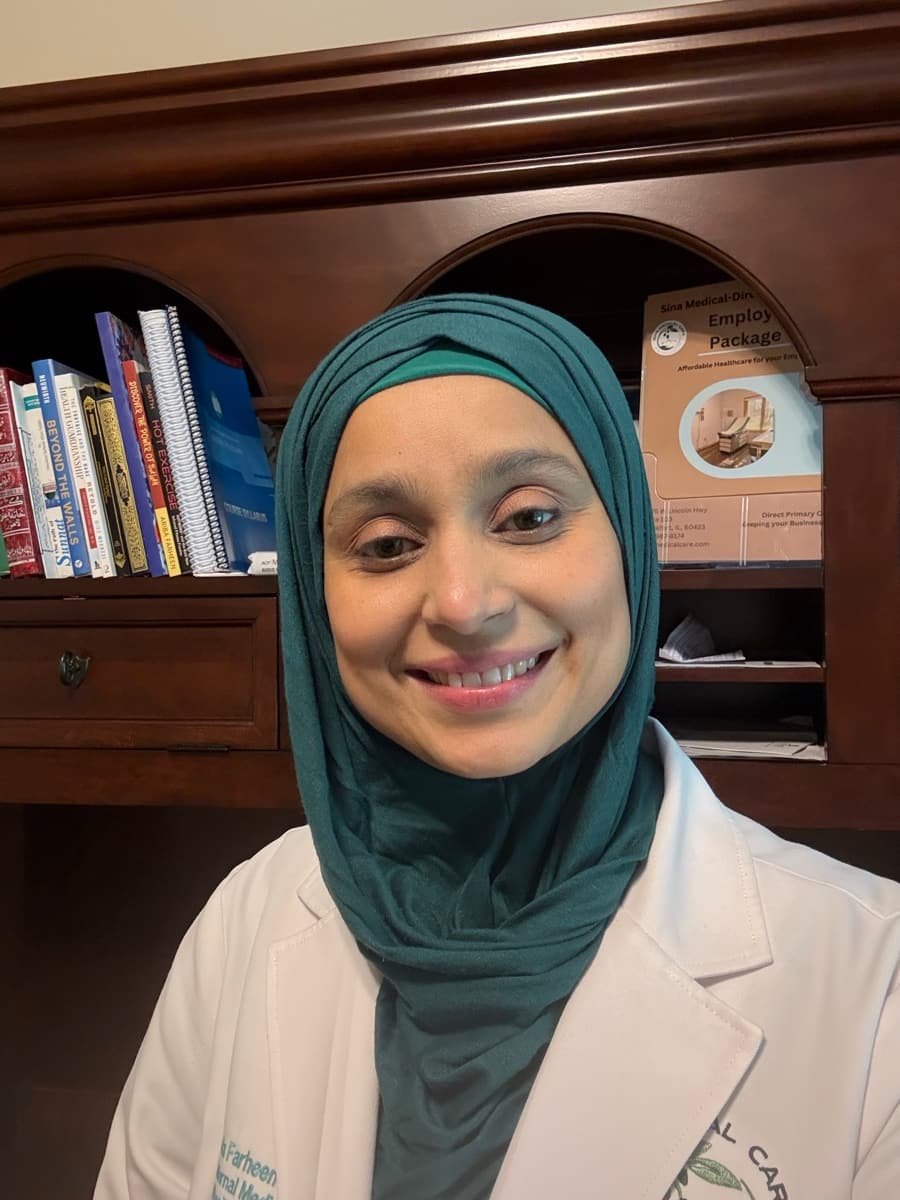
Medically Reviewed by Dr. Syeda Farheen Ali, MD Triple Board-Certified Physician in Internal Medicine, Obesity Medicine, and Lifestyle Medicine Last updated: July 2026
The Problem
Why the Traditional System Fails Patients
What an ER or urgent care bills for issues we treat the same day
The average appointment in traditional, insurance-driven care
Of patients delay or skip care over cost, wait times, or access
A flat Sina membership — everything included, no copays, no surprise bills
What's Covered
Everything Included In Your Membership
One flat monthly membership covers comprehensive care across every category below — with no copays, no hidden fees, and direct access to Dr. Ali.
- Unlimited same-day and next-day visits
- Telehealth across Illinois
- Direct text and call access to Dr. Ali
- Annual physicals and preventive care
- Acute and urgent care (flu, UTI, strep, rash, ear infections)
- Chronic disease management (diabetes, hypertension, thyroid, COPD, sleep apnea)
- Women's health: HRT, menopause care, Pap smears, breast exams
- Men's health: testosterone, preventive care, cardiovascular health
- GLP-1 prescriptions (Semaglutide, Tirzepatide)
- Medical weight loss management
- Labs at wholesale cost (70 to 90 percent off retail)
- Generic medications at cost
- Specialist referral coordination
- Sick Visits
- Cold, Flu & Viral Illness Treatment
- Sore Throat & Strep Testing
- Sinus Infections
- Pneumonia Evaluation & Treatment
- Urinary Tract Infection (UTI) Treatment
- STI Testing & Sexual Health Screening
- Skin Rashes & Minor Skin Conditions
- Minor Lacerations & Wound Care
- Suture/staple Removal
- Muscle Strains & Sprains
- Joint Pain Evaluation
- Ear Wax Removal
- Return-to-Work Clearance Visits
- Stomach Flu & Digestive Illnesses
- Well-Woman Exams, Pap Smear
- Menopause & Perimenopause Care
- Hormone Replacement Therapy (HRT)
- Bioidentical Hormone Therapy (BHRT)
- Pap Smears & Cervical Cancer Screening
- Insulin Resistance & Metabolic Health Support
- Thyroid Hormone Optimization
- Fatigue & Hormonal Imbalance Treatment
- Weight Loss for Women
- Preventive Women's Health Care
- Men's Preventive Care
- Testosterone Replacement Therapy (TRT)
- Hormone Optimization for Men
- Men's Weight Loss Programs
- Andropause / Male Menopause Support
- Metabolic Health & Energy Optimization
- Physician-Guided Weight Loss Programs
- GLP Therapy (Semaglutide / Tirzepatide)
- Personalized Nutrition Counseling
- Exercise & Lifestyle Planning
- Metabolic Syndrome Management
- Insulin Resistance & Prediabetes
- Ongoing Progress Monitoring
- Bariatric Surgery Referrals When Appropriate
- Diabetes & Prediabetes
- High Blood Pressure (Hypertension)
- High Cholesterol (Dyslipidemia)
- Thyroid Disorders
- Asthma & COPD
- Coronary Artery Disease
- Congestive Heart Failure
- Sleep Apnea
- Fatty Liver Disease & IBS
- Osteoarthritis & Osteoporosis
- Heartburn & Acid Reflux
- Atrial Fibrillation
- Lifestyle Medicine Counseling
- Sustainable Habit Development
- Disease Prevention & Risk Reduction
- Long-Term Wellness Planning
- Nutrition & Exercise Coaching
- Functional & Root-Cause Focused
- Stress & Sleep Optimization
Healthcare as It Should Be — Personalized, Accessible, Affordable
Join Sina Medical Direct Primary Care and experience healthcare that's personal, preventive, and truly built around you — not the insurance system.