
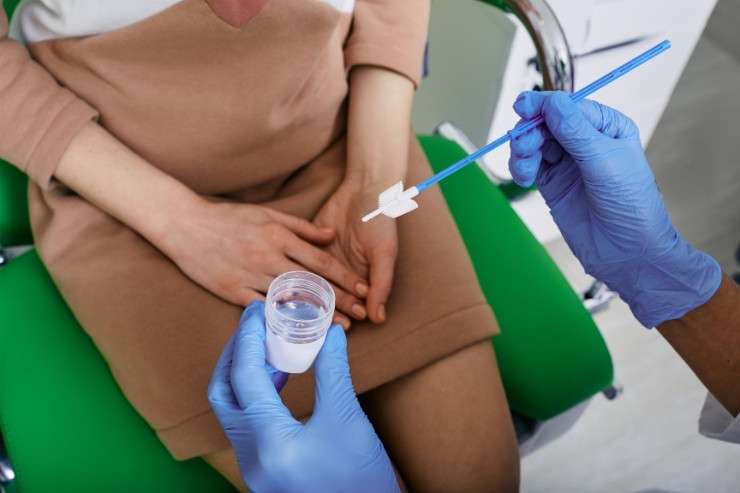
A Pap smear collects cervical cells to detect changes that could become cancerous, so precancerous changes can be treated early, before cancer develops. But it isn't a catch-all test, and it doesn't need to happen every year. Knowing what it does, what it doesn't, and how often you actually need one can spare you both unnecessary tests and missed screenings.
What Is a Pap Smear and Why Is It Done?
A Pap smear examines cervical cells for abnormalities that represent precancer. Abnormal results often require follow-up, but they do not automatically mean cancer. Just as important is what the test does not do: it doesn't screen for ovarian cancer, most uterine conditions, or hormone-related symptoms, and it doesn't replace separate STI testing.
How Often Do You Need a Pap Smear Based on Age?
Screening intervals depend on your age group and risk level, not a single birthday. For average-risk women ages 21 to 29, guideline groups recommend cervical cytology (a Pap test) every 3 years. Women in their 40s follow the same guidelines as ages 30 to 65 and can choose between a Pap test alone every 3 years, high-risk HPV testing alone every 5 years, or co-testing every 5 years. Guidelines generally recommend stopping routine screening after age 65 if prior screening has been adequate and there is no high-risk history.
What Is HPV Testing and How Does It Change Screening?
HPV is the primary cause of most cervical cancers, which is why HPV testing is now central to modern screening. Pap smears detect abnormal cervical cells; HPV tests identify the high-risk HPV types linked to cervical cancer. They measure different things but both support early detection. Co-testing combines both at a single visit and is an accepted option for average-risk women ages 30 to 65 every 5 years.
Situations Where You May Need More Frequent Screening
Standard intervals apply to average-risk women. If you have had an abnormal Pap smear or a positive high-risk HPV result in the past, your clinician may recommend a different schedule. People with a weakened immune system may also need individualized plans, since immune conditions can affect how long HPV infections persist and how cervical changes progress. Women with DES exposure or a history of cervical precancer or cancer typically require screening beyond routine recommendations.
Do You Still Need a Pap Smear If You Feel Fine?
Yes. Precancerous cervical changes can develop slowly and quietly, usually with no noticeable symptoms. Screening is designed to catch these changes before they cause problems, which is different from symptom-based care. A well-woman visit is a good chance to review your screening history, discuss HPV testing options, and confirm the right plan for you.
Pap Smear vs Pelvic Exam: What's the Difference?
These terms are often used together but aren't interchangeable. A pelvic exam may be recommended for symptoms such as pelvic pain, abnormal bleeding, or unusual discharge that call for physical evaluation. Cervical cancer screening follows guideline intervals, while a pelvic exam depends on symptoms or clinical need, so you can often have one without the other.
Why Many Women Are Over-Screened or Under-Screened
Many guideline groups moved away from routine yearly Pap tests for average-risk women years ago, yet older advice still circulates and leads some women to test too often. On the other side, cost, limited access, and discomfort with the exam cause others to delay care. Newer approaches, including HPV testing and clinic-based self-collection options, aim to make screening more accessible.
How Sina Medical Direct Primary Care Approaches Pap Smears and Preventive Women's Health
Sina Medical Direct Primary Care provides age-appropriate women's health care, including cervical screening guidance and preventive visits, though it is not an obstetrics clinic. Care is guideline-based and evidence-driven: we review whether a Pap test, HPV testing, or co-testing fits your age and risk factors. The best answer depends on your screening history, your results, and guideline-supported options, all reviewed together during the visit. We prioritize clear education, shared decision-making, and comfortable, respectful care with time for your questions.
The Bottom Line
Most average-risk women over 40 benefit from ongoing screening, but not necessarily every year. Through their 40s, women typically follow the intervals set for ages 30 to 65, choosing between Pap testing, HPV testing, or both. A preventive visit is the simplest way to review your history, confirm your risk level, and set the right screening plan.
Have questions about women’s health?
Talk directly with Dr. Ali — no copays, no waiting rooms, just physician-led care built around you.