
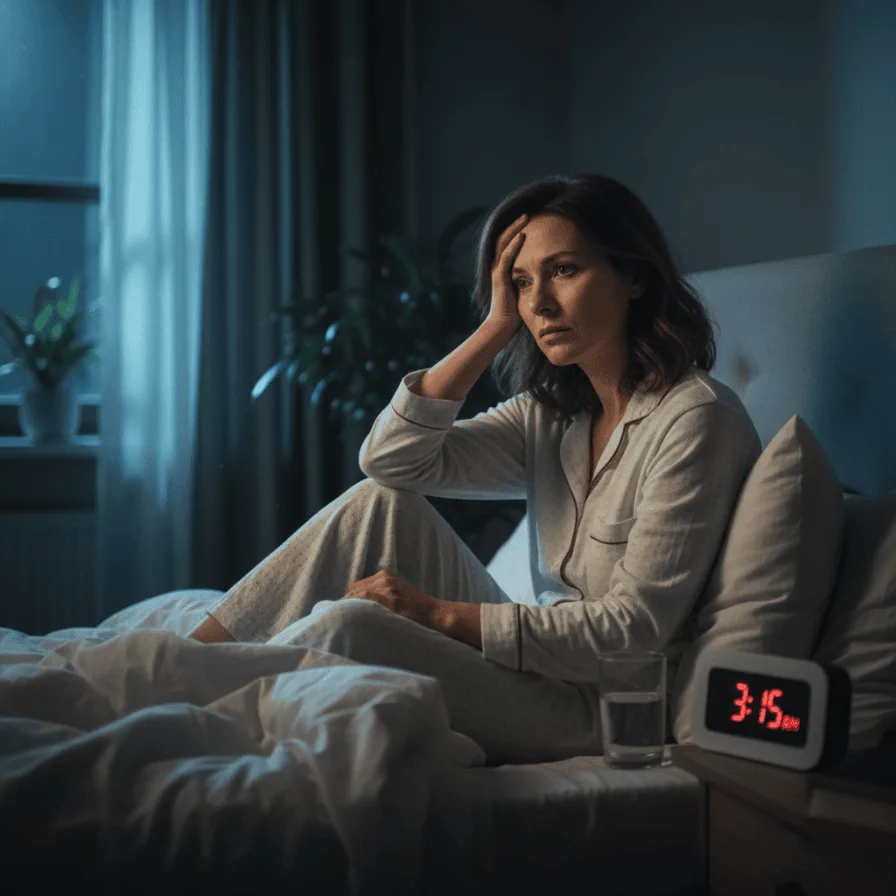
What Causes Insomnia in Women?
Sleep disruption in women often stems from hormonal fluctuations, especially during major life transitions like menopause and pregnancy. As estrogen and progesterone levels shift, women experience night sweats, hot flashes, and mood swings that interfere with rest. Pregnancy compounds this through discomfort, frequent urination, anxiety, and physical changes.
Mental health is a major contributor: women are roughly twice as likely as men to experience anxiety and depression, conditions directly linked to insomnia. The constant stress of managing work, family obligations, and personal health elevates cortisol and makes relaxation harder. Poor sleep hygiene—irregular schedules, excessive screen time, caffeine, and alcohol—further disrupts circadian rhythms, while chronic pain, restless legs syndrome, and sleep apnea add to the problem, particularly with aging.
The prevalence is striking: nearly 30–40% of women experience some form of sleep disorder, compared to 20–30% of men, and more than 50% of women in perimenopause and menopause report frequent disruptions.
Menopausal Sleep Disorders
Menopause triggers significant sleep changes. Fluctuating hormone levels produce night sweats, hot flashes, and mood swings, making it harder to fall asleep or stay asleep and leading to frequent waking during the night. Many women report waking less rested in the morning.
Management involves lifestyle adjustments and relaxation techniques, and in some cases dedicated menopause treatment. Hormone replacement therapy (HRT) and personalized care can substantially improve sleep quality during this transition.
Common Sleep Disturbances in Women
Insomnia involves difficulty falling asleep or staying asleep, and is linked to hormonal shifts, stress, and mental health. Menopausal women are especially vulnerable.
Sleep apnea causes breathing interruptions during sleep that fragment rest, particularly in post-menopausal or overweight women. It correlates with daytime fatigue, irritability, and other health issues such as high blood pressure. Restless legs syndrome produces an irresistible urge to move the legs, especially at night, complicating sleep onset; it may be connected to iron deficiency, pregnancy, or stress.
Causes of Sleep Disturbance and Disruption
Hormonal causes include the effects of menopause and perimenopause as well as pregnancy-related discomfort. Mental health factors—stress, anxiety, and depression—are significant contributors, with depression presenting as either insomnia or excessive sleep.
Lifestyle factors include poor sleep hygiene, work-family stress, and environmental noise or light. Physical health conditions such as chronic pain from arthritis or fibromyalgia and sleep apnea directly disrupt rest. By addressing these underlying causes, women can take the first step toward improving their sleep quality and overall health.
Effective Remedies for Sleep Problems in Women
Improve sleep hygiene by keeping a consistent schedule, reducing exposure to blue light from phones, tablets, and computers at least 30 minutes before bed, and keeping the bedroom cool, quiet, and dark. Relaxation techniques—deep breathing, guided meditation, progressive muscle relaxation, and gentle yoga—ease tension and prepare the body for sleep.
Dietary adjustments help too: include magnesium-rich foods like spinach and almonds, try calming chamomile, lavender, or valerian root teas, and avoid caffeine and alcohol in the evening. About 30 minutes of daily physical activity, avoiding intense workouts near bedtime, promotes faster sleep onset and deeper rest. When self-care isn't enough, medical solutions such as Cognitive Behavioral Therapy for Insomnia (CBT-I), supervised sleep medication, and hormone replacement therapy can address persistent or menopausal disruptions.
Final Thoughts
Sleep problems significantly impact women's health and quality of life, and understanding the root causes is the first step in addressing them. Better sleep hygiene, relaxation practices, and dietary changes help many women, while severe cases benefit from professional intervention through CBT-I or medical treatment. A direct primary care approach makes it easier to explore these options—including menopause treatment and personalized care plans—with a physician who knows your history.
Have questions about women’s health?
Talk directly with Dr. Ali — no copays, no waiting rooms, just physician-led care built around you.