
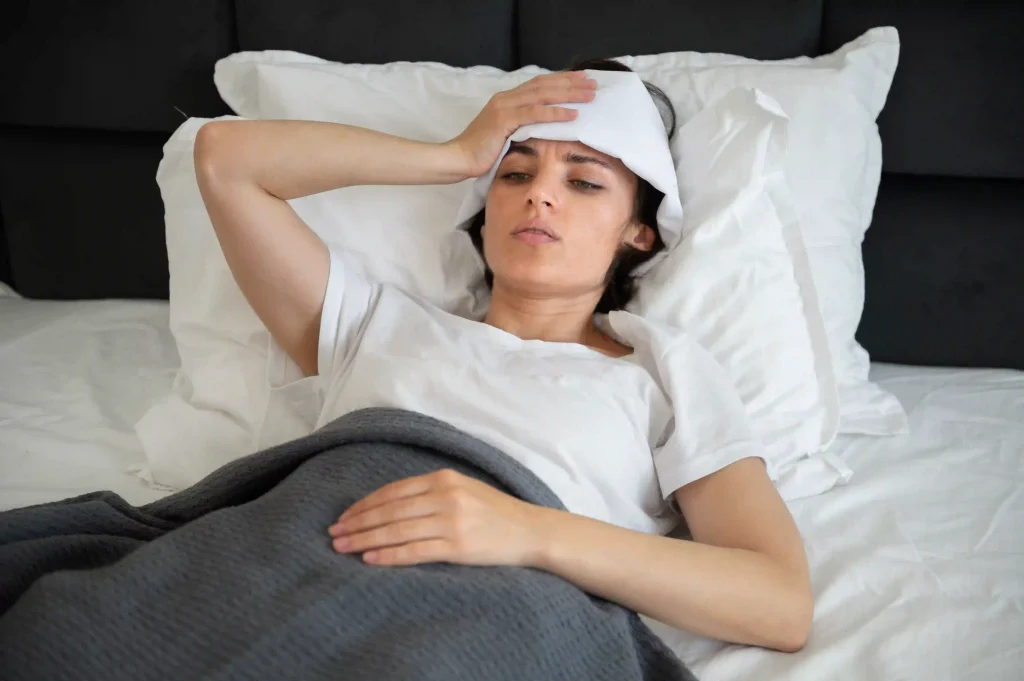
What Are Night Sweats During Menopause?
Night sweats are episodes of excessive sweating during sleep that can soak your clothing and bedding. In menopausal women, this symptom is usually tied to fluctuating hormone levels, particularly declining estrogen. Unlike ordinary sweating, these episodes can repeatedly disrupt sleep and diminish your overall quality of life. Understanding why they happen is the first step toward managing them effectively.
What Causes Night Sweats During Menopause?
Night sweats during menopause result from sudden hormonal shifts that affect how your body regulates temperature. These shifts cause an overreaction in the body's cooling mechanisms, triggering intense sweating even in a cool environment.
Common triggers include declining estrogen levels, anxiety or stress, hot beverages or spicy foods eaten before bedtime, certain medications, and underlying sleep disorders. Identifying your personal triggers can help you reduce how often episodes occur.
Hormonal Changes Affecting Night Sweats
During perimenopause and menopause, the body produces less estrogen and progesterone. These hormones help regulate the hypothalamus, which acts as the body's internal thermostat. When estrogen drops, the hypothalamus can mistakenly perceive that you are overheating, leading to sudden sweating that often concentrates on the neck and chest.
Tips and Treatments for Alleviating Night Sweats
Several medically supported strategies can help. Lifestyle adjustments include wearing breathable cotton sleepwear, using moisture-wicking sheets, keeping your bedroom cool and well ventilated, and avoiding spicy foods and caffeine in the evening.
Dietary changes matter too: stay well hydrated, incorporate soy products that contain natural phytoestrogens, and include calcium- and magnesium-rich foods. Medical options range from Hormone Replacement Therapy (HRT) to non-hormonal medications such as SSRIs, along with over-the-counter remedies like vitamin E and black cohosh.
How to Stop Night Sweats: Realistic Remedies
Practical, everyday remedies can make a real difference. Practice deep breathing and mindfulness techniques to lower stress, exercise regularly while avoiding late-night workouts, eliminate alcohol and nicotine, and use fans or cooling pillows to keep your sleeping environment comfortable throughout the night.
When Should You See a Doctor?
Consult a healthcare provider if your night sweats are severe, persistent, or accompanied by unusual symptoms. Certain underlying medical conditions can produce similar presentations to menopausal night sweats, so a proper evaluation ensures you get the right diagnosis and treatment rather than assuming hormones are the only cause.
Conclusion
Night sweats during menopause are common but manageable. By combining lifestyle adjustments, natural remedies, and medical support when needed, you can find meaningful relief and improve your sleep quality. Working with a physician who knows your history helps you build a plan tailored to your body and your symptoms.
Have questions about menopause?
Talk directly with Dr. Ali — no copays, no waiting rooms, just physician-led care built around you.