
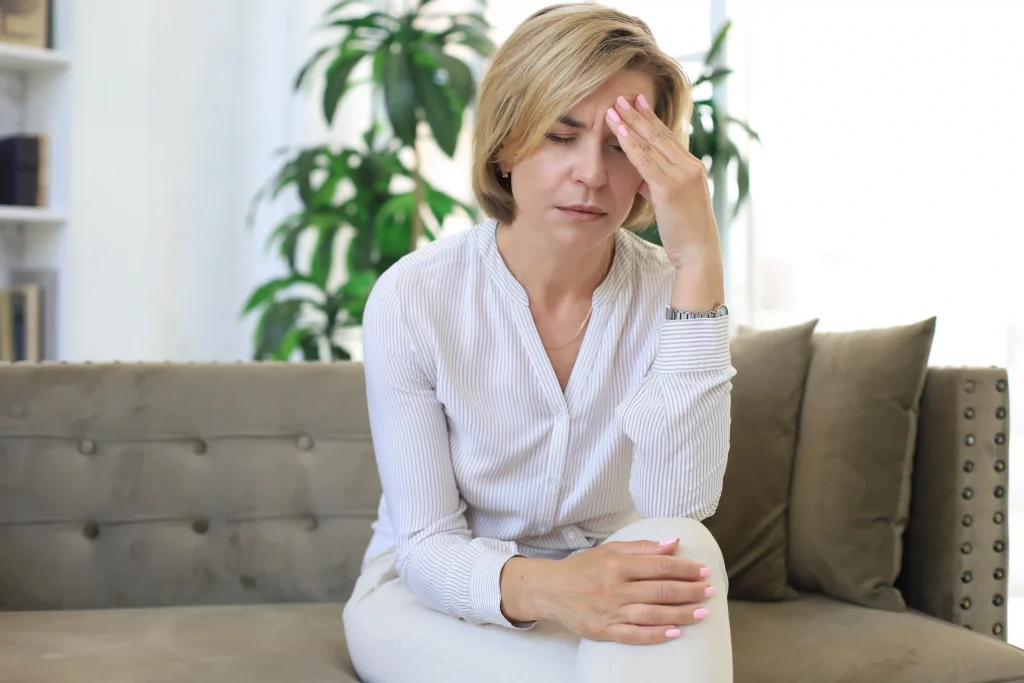
What Exactly Constitutes Post Menopausal Symptoms?
Post-menopause begins after twelve consecutive months without a menstrual period, marked by consistently diminished estrogen and progesterone levels. The symptoms that follow are wide-ranging because estrogen influences so many systems. Common manifestations include vasomotor symptoms such as hot flashes and night sweats; genitourinary changes like vaginal dryness and greater urinary tract vulnerability; mood disturbances and sleep disruption; musculoskeletal, skin, and hair changes; shifts in sexual function and cognition; metabolic changes including abdominal weight gain; and an elevated risk of cardiovascular disease.
Why Do Women Experience Post Menopausal Symptoms So Differently?
The core driver of these symptoms is declining estrogen and progesterone. Because estrogen receptors exist throughout the body, their reduction affects multiple systems at once. Yet no two women experience this identically. Individual variation stems from genetics, overall health status, lifestyle choices, psychological well-being, and cultural context. Pre-menopausal health, the rate of hormonal decline, and each woman's unique physiological response all shape how intense or mild the transition feels.
How Does Lifestyle Fundamentally Impact Symptoms?
Lifestyle modifications form the foundation of symptom management. Daily habits around nutrition, physical activity, sleep quality, and stress management significantly influence outcomes. These behavioral adjustments become increasingly important as natural hormonal support diminishes, helping to mitigate symptoms while also reducing the long-term risks of osteoporosis and cardiovascular disease.
Can Nutrition Help Manage Post Menopausal Symptoms?
A balanced, nutrient-rich diet supports weight management, bone and heart health, mood regulation, and may ease vasomotor symptoms. Prioritize whole foods and ensure adequate calcium and vitamin D through diet or supplementation to protect bone density. Incorporate healthy fats such as omega-3 fatty acids, limit processed foods and refined sugars, and stay well hydrated. Phytoestrogen sources like soy and flaxseed may offer modest benefit, though far less than medical treatments. Stabilizing blood sugar through strategic meal timing further supports symptom control.
What Role Does Exercise Play?
Regular exercise addresses multiple symptom domains at once. Consistent activity aids weight management, while weight-bearing and strength training preserve bone density and muscle mass. Aerobic exercise improves cardiovascular health, and physical activity of all kinds reduces stress, lifts mood, improves sleep quality, and maintains joint flexibility. The cumulative effect makes movement one of the most powerful tools available during this stage of life.
How Can Specific Symptoms Like Weight Gain or Hot Flashes Be Managed?
Weight management relies on consistent, balanced nutrition with portion control and minimal processed food, paired with aerobic exercise and strength training to protect muscle mass and metabolic function. For hot flashes and night sweats, identify personal triggers such as heat, stress, caffeine, alcohol, and spicy foods; dress in layers; and use cooling aids. When lifestyle strategies prove insufficient, consult your provider about hormone replacement therapy or non-hormonal medications.
Comparing Approaches to Managing Symptoms
Management typically spans three approaches. Lifestyle strategies (diet, exercise, sleep, and stress management) provide foundational health benefits and symptom relief but require consistency. Medical treatments such as HRT, non-hormonal prescriptions, vaginal estrogen, and osteoporosis medications offer the most significant relief for severe symptoms but require medical consultation. Complementary approaches like supplements, acupuncture, yoga, and mindfulness may support specific symptoms and general well-being, though the evidence base varies.
Frequently Asked Questions
Effective menopause management rests on five pillars: lifestyle, medical guidance, mental health, education, and support networks. A woman is considered post-menopausal after twelve months without a period, a permanent physiological state rather than a passing stage, often confirmed by elevated follicle-stimulating hormone. Calcium and vitamin D remain the priority nutrients. Importantly, any post-menopausal vaginal bleeding is a warning sign that requires prompt medical investigation rather than being dismissed as normal.
Embracing Your Post-Menopausal Chapter with Knowledge and Care
Post-menopause is a natural life phase that need not be defined by its symptoms. By understanding the underlying physiological changes and implementing proactive management strategies, combining lifestyle modifications with medical guidance when appropriate, women can maintain their quality of life and vitality. This chapter can be approached with confidence rather than dread when supported by the right knowledge and care.
Have questions about menopause?
Talk directly with Dr. Ali — no copays, no waiting rooms, just physician-led care built around you.