
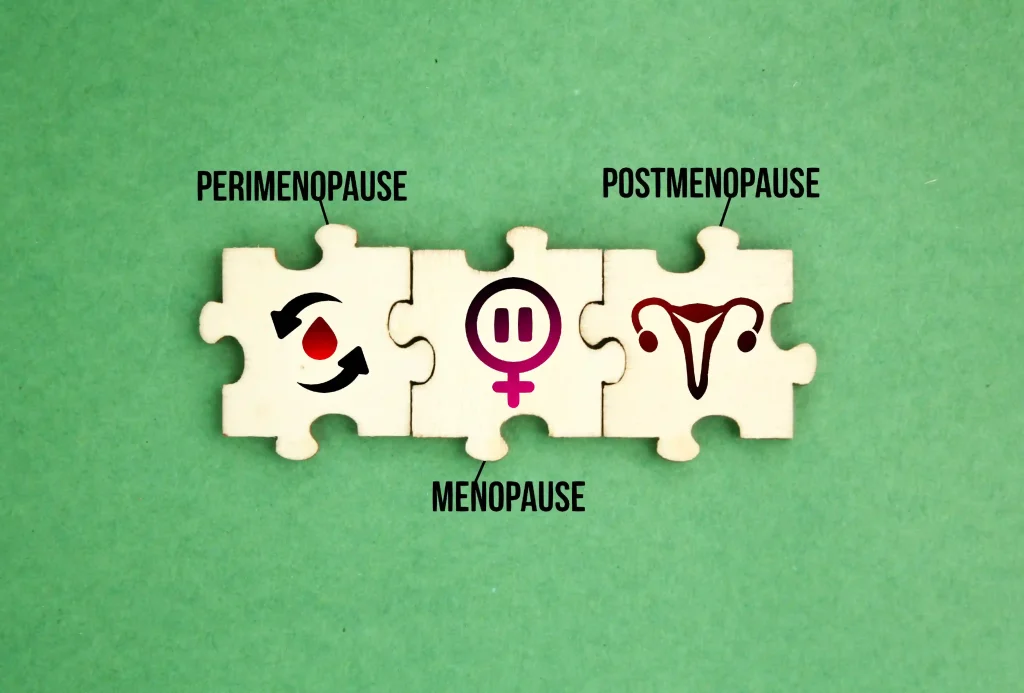
Menopause and perimenopause mark significant life transitions that signal the end of reproductive capacity. While these are natural processes, the changes that accompany them can challenge physical, emotional, and mental well-being. Understanding the stages, symptoms, and available support is essential for managing them effectively and maintaining quality of life.
Understanding the Transition: Perimenopause and Menopause
Menopause happens gradually, not all at once. Perimenopause—the menopause transition—typically begins in a woman's 40s, though it can start earlier. During this phase the ovaries progressively produce less estrogen, causing unpredictable menstrual cycles along with physical and emotional shifts. Its duration varies widely, from months to several years.
Menopause itself is a single point in time, confirmed after 12 consecutive months without a menstrual period, usually around age 51 (though anywhere from 45 to 55 is normal). Post-menopause refers to all the years that follow. Recognizing which stage you are in helps set realistic expectations for hormone levels, menstrual patterns, symptoms, and fertility.
Signs and Symptoms of Menopause
Common perimenopause symptoms include irregular periods, hot flashes and night sweats, sleep disturbances and insomnia, mood swings, anxiety or depression, vaginal dryness, decreased sexual desire, trouble concentrating or memory lapses, headaches, joint and muscle aches, and shifts in cholesterol levels.
In menopause, some of these persist while new concerns emerge: continued hot flashes and night sweats, vaginal dryness, itching and painful intercourse, urinary urgency and recurrent infections, hair thinning and dry skin, abdominal weight gain, reduced bone mass with increased osteoporosis risk, and cardiovascular changes. These symptoms can meaningfully affect daily life and long-term health, which is why knowledgeable provider support matters.
Diagnosing Perimenopause and Menopause
For women over 40, diagnosis usually relies on symptom assessment and menstrual cycle characteristics rather than a single test. Blood tests measuring Follicle-Stimulating Hormone (FSH) and estrogen may supplement the picture, but the hormonal fluctuations of perimenopause can make one-time results inconclusive. Menopause is confirmed after 12 months without periods, and FSH testing can verify consistently elevated levels alongside low estrogen. The right approach is individualized to each woman's circumstances.
Navigating Treatment Options: Conventional and Natural Approaches
Management is highly individual, depending on symptom severity, health history, and personal preference. Hormone Replacement Therapy (HRT)—estrogen with or without progesterone—remains the most effective option for hot flashes and vaginal dryness, though it isn't right for everyone and carries risks that warrant a thorough discussion. Non-hormonal prescriptions such as low-dose antidepressants (SSRIs/SNRIs) can ease hot flashes and mood changes, and targeted treatments address issues like vaginal dryness.
Many women also explore natural and lifestyle approaches, either alongside medical treatment or for milder symptoms. Supplements marketed for menopause—black cohosh, soy isoflavones, red clover, and evening primrose oil—have mixed evidence and should be discussed with a provider because of possible interactions. Vitamin D and calcium, however, are genuinely important for post-menopausal bone health.
Lifestyle and Dietary Support During Menopause
Everyday habits carry real weight. A nutrient-rich diet of fruits, vegetables, whole grains, lean protein, and calcium-rich foods supports overall health and can ease symptoms. Regular exercise helps manage weight, lifts mood, improves sleep, and protects bones and the heart. Stress-reduction practices like mindfulness, meditation, yoga, and deep breathing help with mood swings and anxiety, while good sleep hygiene combats insomnia. Identifying and avoiding personal hot-flash triggers—spicy foods, caffeine, alcohol, and hot environments—makes a noticeable difference.
For long-term wellness, prioritize nutrients that protect bone density and cardiovascular health: calcium and vitamin D from dairy, leafy greens, fortified foods, and sunlight; phytoestrogens in soy, flaxseed, and legumes; lean protein to maintain muscle mass; omega-3 fatty acids from fatty fish, flaxseed, and walnuts; and fiber for digestion and weight control.
Your Partner in Care at Sina Medical – Direct Primary Care
Navigating menopause is easier with expert, individualized guidance. Dr. Syeda Farheen Ali, a triple board-certified menopause specialist, provides that care through a Direct Primary Care model. Members receive unlimited telehealth visits and unhurried in-person appointments, 24/7 direct access to Dr. Ali, and discounted labs and imaging (up to 90% savings) for tests like bone density scans. Care spans the full picture—weight management, cardiovascular risk, and mental health—under a predictable, affordable monthly membership with no copays, deductibles, or hidden costs.
Finding Your Path to Wellness
Every woman's menopause journey is unique. Understanding the process and recognizing the signs is the first step toward managing it well. With personalized, comprehensive care, this transition can be smoother—symptoms addressed and long-term health protected—so you can move through this stage with confidence and support.
Have questions about menopause?
Talk directly with Dr. Ali — no copays, no waiting rooms, just physician-led care built around you.