
What Makes Lifestyle Medicine Different From Regular Medicine?
Conventional medicine excels at crisis response. For pneumonia, appendicitis, or a fracture, modern medicine is remarkable. Where it struggles is with slow, lifestyle-driven conditions that affect millions of Americans. These illnesses aren't caused by a single event. They develop from years of metabolic strain, chronic stress, sleep disruption, poor nutrition, and inactivity.
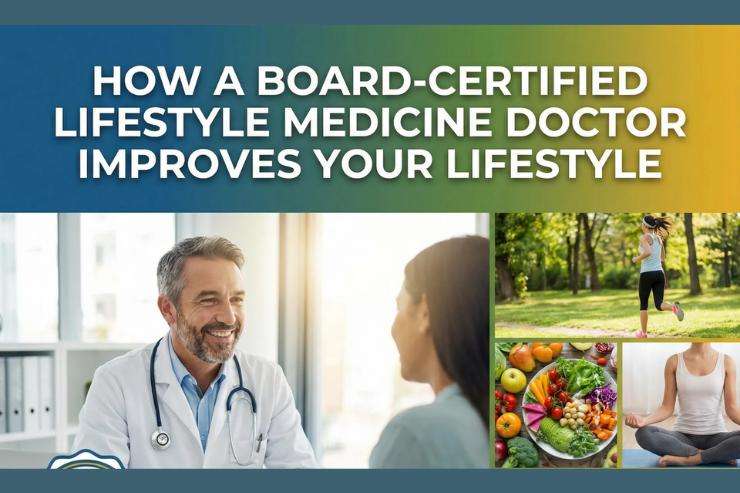
Lifestyle medicine was built specifically to address these long-term patterns. It focuses on six key pillars: nutrition, physical activity, sleep, stress management, substance avoidance, and social connection. Unlike generic advice online, the work is structured and personalized. Instead of treating blood pressure in isolation, the goal is to understand why it rose in the first place. Instead of managing blood sugar numbers alone, the aim is to improve insulin sensitivity and metabolic function at the cellular level. This approach does not reject medication; it uses medication when necessary, but it does not stop there.
What Does a Lifestyle Medicine Doctor Actually Do?
Many assume lifestyle medicine simply means telling patients to eat better and exercise more. In reality, the process is far more detailed. Dr. Ali begins with time: time to listen, to review your full medical history, and to understand your work schedule, sleep habits, stress load, and daily routines. Patterns often emerge during this deeper evaluation. A patient struggling with weight gain may also have untreated sleep apnea. Someone with uncontrolled blood sugar may be eating irregularly due to work demands. Chronic fatigue may stem from stress hormones, unstable glucose, and micronutrient gaps combined.
Root cause identification becomes central. When underlying drivers are addressed together, improvement tends to be more sustainable. Nutrition guidance is individualized, with no one-size-fits-all meal plan; cultural preferences, family responsibilities, budget, and metabolic health all matter. Movement planning is equally personalized, whether a patient begins with ten-minute walks or refines an existing routine, because the objective is consistency, not intensity. Sleep and stress are treated as clinical priorities, not afterthoughts. Poor sleep increases cortisol, and chronic stress disrupts blood sugar and blood pressure regulation. Addressing these factors can significantly shift lab values within months.
The Conditions Lifestyle Medicine Addresses Most Effectively
Lifestyle medicine has the strongest evidence base in preventing and managing chronic conditions directly influenced by how we live. Type 2 diabetes and prediabetes respond to targeted nutrition, movement, and stress management, which can reduce blood sugar significantly and sometimes achieve full remission without medication. High blood pressure often improves through dietary changes, consistent exercise, stress reduction, and better sleep, producing reductions comparable to medication.
Obesity and weight-related conditions are approached through the lens of metabolic health rather than calorie counting, recognizing the hormonal, behavioral, and environmental factors that make weight management genuinely complex. In heart disease and elevated cardiovascular risk, lifestyle intervention can slow, halt, or partially reverse arterial damage. Fatty liver disease is highly responsive to dietary change and weight management, often improving within months. Chronic fatigue and low energy are frequently driven by poor sleep, blood sugar instability, nutrient gaps, and chronic stress.
Why Board Certification Matters
Not every physician offering lifestyle advice has formal training in lifestyle medicine. Board certification through the American Board of Lifestyle Medicine requires additional education, examination, and demonstrated competency, ensuring the physician understands the scientific mechanisms behind lifestyle interventions. Dr. Syeda Farheen Ali holds this certification alongside Internal Medicine and Obesity Medicine credentials, allowing her to integrate medication management, metabolic science, and behavioral change into one cohesive plan.
It also means she can safely adjust prescriptions as health improves. This is particularly important for patients with diabetes or hypertension. When blood sugar and blood pressure decline, medications must be modified carefully, and proper oversight prevents complications.
What Changes When You Work With a Lifestyle Medicine Doctor?
The honest answer is that it depends on how much you're willing to engage with the process. Lifestyle medicine requires your participation, and for patients who commit to it, the changes can be profound. Blood sugar comes down. Blood pressure stabilizes. Energy returns. Weight shifts in a sustainable direction. Sleep improves. The chronic symptoms quietly accepted as inevitable start to lift.
More than that, patients often describe a shift in how they relate to their own health, moving from feeling like something is happening to them to feeling genuine agency over how they feel and what their future looks like. That shift is what Dr. Syeda Farheen Ali works toward with every patient at Sina Medical Direct Primary Care.
Frequently Asked Questions
Do I need to be sick to benefit? Not at all. Lifestyle medicine is as valuable for prevention as for managing existing conditions. How is it different from a nutritionist or trainer? A board-certified physician brings full medical training, ordering and interpreting labs, managing medications, diagnosing conditions, and coordinating care with specialists. Can it replace my medications? For some patients, doses can be reduced over time under medical supervision; for others, medications remain part of the plan. What if diet and exercise haven't worked before? Often previous attempts weren't personalized, didn't address root causes, or lacked consistent support. Is it covered by insurance? Sina Medical Direct Primary Care operates on a direct primary care membership model, offering personalized care at a predictable monthly cost, which Dr. Ali can discuss during a free discovery call.
Have questions about lifestyle medicine?
Talk directly with Dr. Ali — no copays, no waiting rooms, just physician-led care built around you.