
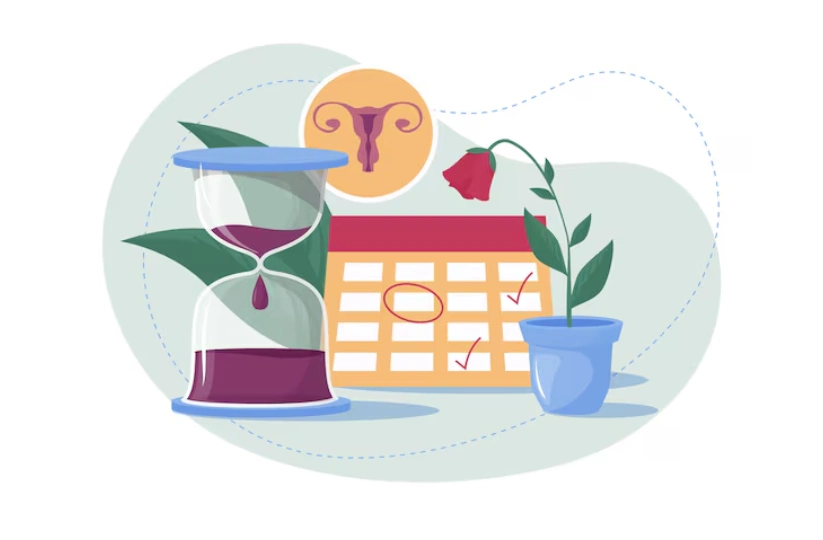
Menopause brings a wave of changes that can disrupt sleep, mood, energy, and comfort. For many women, hormone replacement therapy (HRT) offers meaningful relief by addressing the root cause of these symptoms: the decline in the body's natural hormones. Here is how HRT works and what kind of relief you can realistically expect.
What Happens to Hormones During Menopause
During perimenopause and menopause, the ovaries gradually produce less estrogen and progesterone. These hormones help regulate body temperature, emotional stability, vaginal lubrication, sleep cycles, bone and joint health, and cognitive functions like memory and concentration. As hormone production declines, the disruption across these systems triggers the symptoms so many women experience during this stage of life.
How HRT Helps Restore Balance
HRT compensates for the hormones the body no longer produces at earlier levels. By restoring estrogen, and sometimes progesterone, it helps the body reestablish equilibrium. Stabilizing estrogen calms temperature regulation to reduce hot flashes and night sweats, balances the neurotransmitters that govern mood, restores vaginal moisture, and eases joint inflammation. Adding progesterone supports more consistent, restful sleep. Together, these effects address the cascade of imbalances that menopause sets in motion.
Symptom-by-Symptom Breakdown: How HRT Provides Relief
Hot flashes and night sweats are sudden heat waves that disrupt daily life and sleep. HRT stabilizes the body's temperature regulation, reducing their frequency and intensity. Sleep problems like fragmented rest and morning fatigue improve as estrogen and progesterone support deeper, more consistent sleep.
Mood changes such as irritability and anxiety occur because estrogen supports mood-regulating brain chemicals; HRT helps keep serotonin and dopamine levels steady for greater emotional stability. Brain fog and trouble focusing ease as restored estrogen sharpens memory and mental clarity.
Vaginal dryness and painful intercourse result from tissue thinning and lost elasticity, which localized estrogen therapy can restore for greater comfort. Joint aches and stiffness lessen because estrogen reduces inflammation and supports joint lubrication. And low libido often improves as HRT restores both hormone levels and physical comfort, renewing natural sexual desire.
What Kind of Relief Can You Expect From HRT?
Responses vary from person to person, but most women notice changes within a few weeks, including less intense hot flashes, better sleep, and steadier mood. As hormonal balance continues over two to three months, further improvements often follow in vaginal comfort, libido, and mental clarity while the body gradually adjusts.
Who Is Most Likely to Benefit From HRT?
HRT tends to help most when symptoms are moderate to severe and interfere with daily life, such as frequent night sweats or menopause-related emotional strain affecting work or relationships. Women within about ten years of the onset of menopause typically fall into the safest treatment window. A personalized evaluation with a menopause-trained clinician is the best way to gauge how well you might respond.
Important Considerations Before Starting HRT
HRT is safe for many women, but it requires a proper medical evaluation first. A qualified menopause physician will review your personal health history, family background, and individual risk factors before recommending treatment, ensuring the approach fits your specific needs.
Final Thoughts
Menopause symptoms can be disruptive, but they are manageable. HRT is an effective way to restore balance and help women feel like themselves again. With personalized menopause care from a menopause-trained clinician, you can make an informed decision about HRT based on your own symptoms and health history.
Have questions about menopause?
Talk directly with Dr. Ali — no copays, no waiting rooms, just physician-led care built around you.